
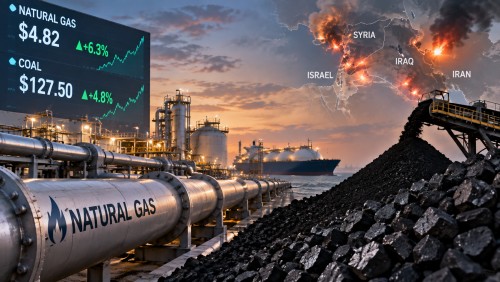
The ongoing conflict in the Middle East continues to reverberate across global energy markets, affecting not just petrol prices but also the costs of natural gas and coal. This development is now increasing electricity generation expenses worldwide, as highlighted by Malaysia’s Economy Minister Akmal Nasrullah Mohd Nasir.
Initially, the disruptions in energy supplies were most visible in the petrol sector. However, Akmal noted that the ripple effects on other fuels like natural gas and coal have become evident over time. Typically, natural gas prices respond a few months after oil prices experience significant shifts. This delay is now impacting electricity generation, as both natural gas and coal are key components in the energy sector.
In Malaysia, the increased costs of these fuels are particularly concerning for consumers who use more than 600kWh of electricity per month. Under the country’s current tariff system, these consumers are more directly susceptible to fluctuations in fuel prices. On the other hand, most households consuming less than this threshold remain shielded from direct price changes, although higher overall electricity consumption can still lead to increased bills.
Additional factors like hotter weather and haze conditions are further influencing household electricity usage. As people stay indoors and rely more heavily on cooling appliances, their electricity demands rise, potentially exacerbating the situation.
In response to these challenges, the Malaysian government is evaluating various strategies to alleviate the financial burden of rising electricity costs on households. At the same time, officials are keeping a close watch on the developments within the global energy markets to better inform their decisions.