
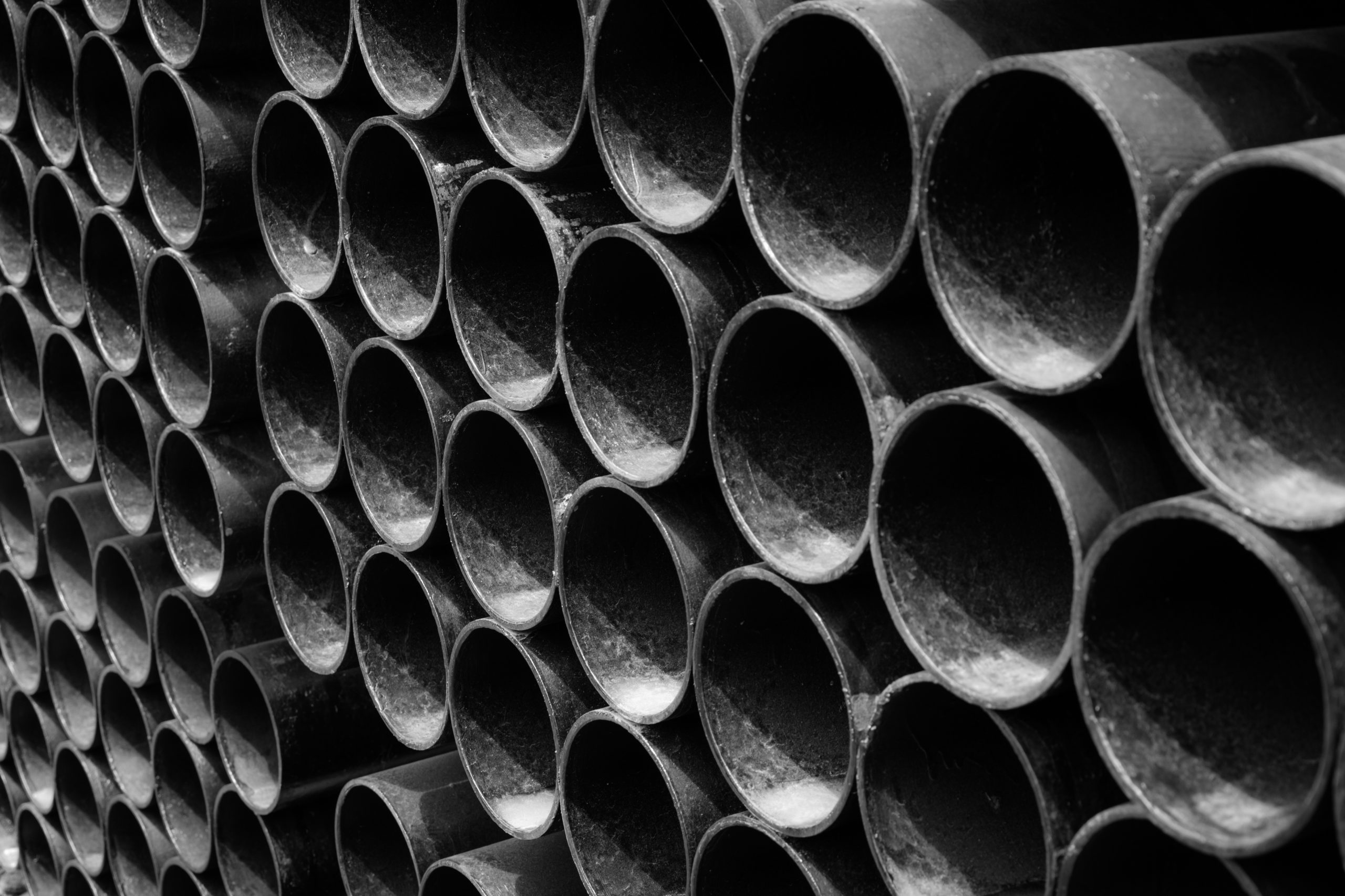
Global infrastructure increasingly relies on the dependability of subterranean assets, with a notable shift from traditional rigid materials to high-density polyethylene (PE) systems, driven by the need for durability and leak prevention. This trend is evident across both bustling urban landscapes and remote industrial locales. For CE Certified PE pipe manufacturers like CHUANGRONG, this transition is apparent from their production facilities in China to various installation sites in Africa and Southeast Asia. The industry is now gravitating towards bespoke, application-specific engineering rather than general solutions, as seen in the growing demand for PE pipes capable of withstanding localized environmental challenges while adhering to global safety standards. Whether for municipal water networks in Bangladesh or intricate dredging projects in Malaysia, the need for such specialized piping solutions has never been more pronounced.
The contemporary piping sector is witnessing a notable shift from the “one-size-fits-all” approach to a strategy that emphasizes material innovation tailored to specific mechanical requirements. CHUANGRONG has adapted by running over 100 pipe production lines and 200 sets of fitting equipment, allowing for precise production that caters to micro-level demands. The requirements for transporting potable water in a UN-supported project are fundamentally different from the abrasive resistance needed in Mongolian mining or the chemical stability required for gas distribution. This diversification is reflected in CHUANGRONG’s expanded specifications range, offering diameters from 20mm to 1600mm and various Standard Dimension Ratio (SDR) classes like SDR9, SDR11, and SDR17. Engineers can thus meet pressure requirements with precision, ensuring that infrastructure is neither over- nor under-engineered for its environment.
CHUANGRONG’s inclusion of CE certification signifies more than regulatory compliance; it underscores a commitment to a transparent, traceable quality process. As infrastructure is expected to last over 50 years, the ability to trace a PE pipe back to its raw material batch and production parameters is crucial for risk management. CHUANGRONG supports this with a robust quality management system across its production capacity of over 100,000 tons, ensuring every component meets rigorous international standards. This includes meticulous testing for melt flow rate, density, and long-term hydrostatic strength, providing a technical “paper trail” that guarantees consistency, especially vital for international utility departments where the cost of failure exceeds the investment in quality materials.
The role of PE pipe manufacturers has evolved beyond mere product supply to encompass specialized technical expertise. CHUANGRONG now emphasizes “systemic integrity,” reliant on the quality of joints and precision installation. This evolution reflects a growing demand for integrated solutions, including PE pipes and the necessary PP compression fittings, pipe tools, and in-house produced advanced welding machines. By providing extensive technical resources and guides, CHUANGRONG empowers field operators worldwide, facilitating high-standard welding practices that minimize joint failures, a common cause of pipeline leaks.
Looking towards sustainable infrastructure, CHUANGRONG positions its polyethylene products as environmentally friendly due to their corrosion resistance and lack of chemical leaching into soil or water. Unlike metallic pipes, which require frequent energy-intensive replacements due to rust, CHUANGRONG’s PE pipes offer a longer service life, reducing excavation disruptions. Managing systems ranging from water and gas to dredging and electricity, CHUANGRONG supports global green energy and resource management initiatives, aiming to create a reliable, closed-loop system where transport efficiency matches the importance of the resource being moved. Through rigorous standardization and specialized product development, CHUANGRONG is not only responding to industry trends but actively shaping the framework for resilient global communities.