
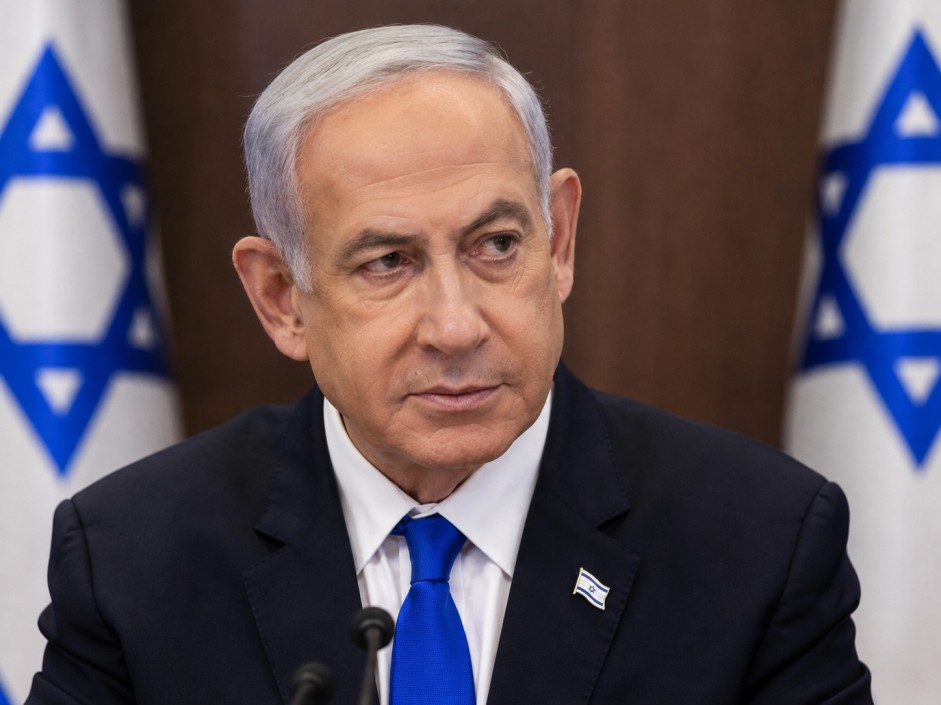
Amid escalating tensions in the Middle East, Israeli Prime Minister Benjamin Netanyahu issued a stern warning to Iran, declaring that any future aggression towards Israel would be met with a forceful military retaliation. Speaking at an event in Dimona, Netanyahu emphasized that Israel is fully prepared for any scenarios that may arise, and any new assault by Iran would provoke a response significantly stronger than previous actions. He reiterated Israel’s commitment to taking decisive measures against threats to its national security.
This warning comes against the backdrop of increased hostilities in the region, marked by renewed exchanges between the United States and Iran. Reports have surfaced of attacks launched by Iran targeting several American allies in the Middle East, alongside incidents of explosions in various locations within Iran. The geopolitical climate has grown more volatile, prompting international reactions and strategic reassessments.
In response to these developments, the United States announced a shift in its policy concerning the Strait of Hormuz. President Donald Trump decided to abandon plans for imposing a transit fee on the strategic waterway. Instead, the focus has shifted towards fostering trade and investment agreements with Gulf countries, underscoring a strategic pivot in US policy in the region.
Furthermore, the European Union Aviation Safety Agency (EASA) has updated its guidance to airlines, advising them to avoid flying over the airspace of several Gulf nations due to heightened security concerns. This advisory reflects the increasing risks perceived in the region’s skies amid the current tensions.
Diplomatic efforts are ongoing as regional mediators work to de-escalate the situation and revive negotiations between the involved parties. These diplomatic initiatives aim to stabilize the region and find a peaceful resolution to the ongoing crisis, though the path forward remains fraught with complexities and challenges.