
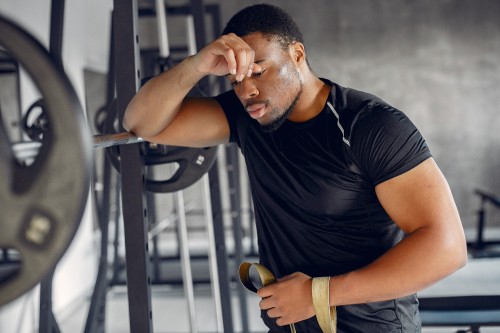
Engaging in regular physical activity is crucial for keeping a healthy weight, but more intense and prolonged exercise sessions don’t necessarily yield better outcomes. Fitness specialists caution that exceeding the body’s capacity to recuperate can slow down fat loss and adversely impact health. When exercise intensity or volume is too great without sufficient recovery time, overtraining can occur. This condition keeps the body in a state of ongoing stress, hindering fat burning, muscle building, and energy maintenance.
There are several signs that could indicate you’re overtraining. Typically, these include a plateau in fat loss or strength gains, poor sleep quality, persistent fatigue, or a lack of motivation. Other symptoms might involve increased anxiety, irritability, diminished libido, a higher resting heart rate, or slower recovery following a workout. When the body faces extended physical stress, cortisol levels—the main stress hormone—can remain elevated, leading to potential issues such as slowed fat loss, increased abdominal fat storage, muscle tissue breakdown, lower testosterone levels, and impaired thyroid function.
The body’s hormonal system can face additional pressure from everyday stressors like work challenges, insufficient sleep, and emotional strain. To stave off the negative effects of overtraining, maintaining a balanced fitness routine is essential for sustainable progress. Experts suggest engaging in strength training three to four times weekly with suitable intensity, consuming enough protein, and ensuring adequate daily caloric intake.
Quality sleep and a consistent sleep schedule should be priorities, along with incorporating recovery activities such as walking, stretching, mobility exercises, and relaxation techniques. If progress seems stalled despite adhering to a healthy routine, and especially if a hormonal imbalance is suspected, consulting a medical professional is advised. Achieving healthy fat loss requires consistency, balanced nutrition, effective training, and ample recovery time, allowing the body to adapt, recuperate, and enhance performance over the long run.