
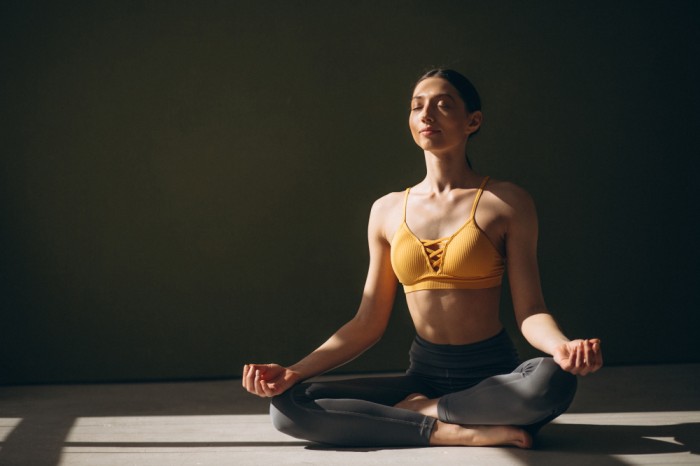
Emotional states can be as varied and fleeting as the weather, shifting from joy to stress, anxiety, sadness, or frustration. While it’s crucial to comprehend and process these emotional changes, yoga offers a beneficial practice to reconnect with the self and restore balance. By integrating gentle physical movements with intentional breathing, yoga promotes relaxation, enhances body awareness, and helps in managing the emotional ebbs and flows of life.
Different yoga poses cater to various emotions, creating pathways to a more serene mindset. For instance, the Cobra Pose, known as Bhujangasana, is particularly effective for combating sadness. This gentle backbend opens up the chest, fostering a sense of lightness and release of physical tension when paired with slow, deliberate breathing. Meanwhile, for moments of gratitude, the Easy Pose or Sukhasana, complemented by a focus on the heart, encourages a slowing down of pace. This serene position, when accompanied by mindful breathing, facilitates self-reflection and appreciation of the present moment.
For those struggling with anxiety, the Butterfly Pose, or Baddha Konasana, can help ground attention back to the body and breath. This calming posture may offer a sense of stability when thoughts seem overwhelming. On the other hand, Warrior II, also known as Virabhadrasana II, is ideal for fostering confidence. This strong and steady stance enhances focus and balance, aiding in the cultivation of inner strength and self-assurance.
Stress relief can be sought through the Child’s Pose, or Balasana, which invites both body and mind to decelerate. Deep, conscious breathing in this resting position can alleviate tension and promote a comforting sense of ease. When feeling overwhelmed, the Legs Up the Wall pose, or Viparita Karani, serves as a restorative posture requiring minimal physical effort. A few quiet moments in this position can alleviate mental fatigue, ushering in tranquility.
In times of anger, the Seated Forward Fold, known as Paschimottanasana, encourages a slower, more introspective state. This pose aids in relaxing the body, offering a peaceful respite during intense emotional experiences. While yoga might not entirely dispel difficult emotions, it provides a constructive avenue to acknowledge feelings, relax the body, and build emotional awareness, contributing to overall well-being.