
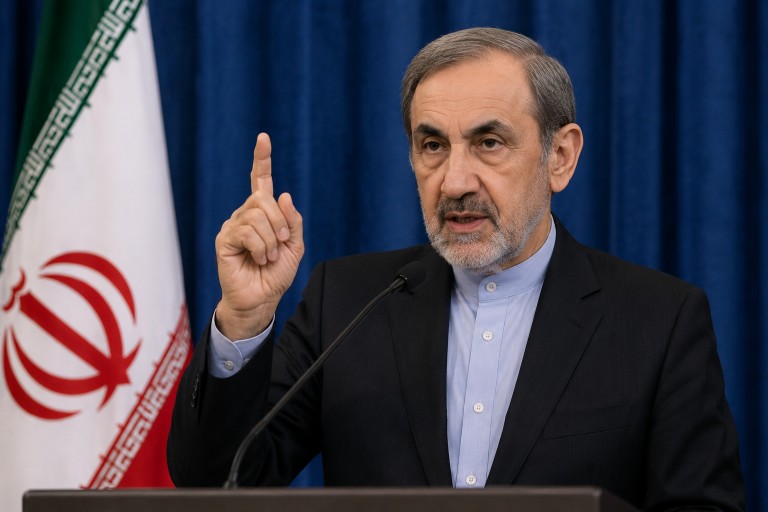
The ongoing tensions between Iran and the United States have escalated following a stark warning from Tehran, prompted by President Donald Trump’s recent declaration that the interim peace agreement between the two nations is null and void. Ali Akbar Velayati, a close adviser to Iran’s supreme leader, has accused the U.S. of stoking instability in the already volatile Gulf region, suggesting that Trump’s stance could reignite hostilities. Velayati emphasized that Iran is ready to retaliate immediately in response to any further military provocations, stating that the nation is prepared and vigilant.
President Trump announced his position during a NATO summit, asserting that the ceasefire agreement could no longer be honored due to Iran’s recent assaults on U.S. military installations in Bahrain and Kuwait. These attacks were reportedly in retaliation for American strikes on Iranian targets, which were themselves a response to Iran’s alleged aggression against commercial ships navigating the strategic Strait of Hormuz. Trump’s remarks have cast doubt on the future of diplomatic efforts to de-escalate the situation.
The U.S. president also hinted at potential military actions, warning that American forces might launch further strikes if Iran persists with its aggressive behavior. He specifically mentioned that critical Iranian assets, such as Kharg Island, could become targets in future operations. This rhetoric has heightened fears of an expanded conflict in the Gulf, a region whose stability is crucial for global energy supplies and regional security.
As the verbal sparring continues, the fragile hopes of reviving the ceasefire are diminishing. The exchange of threats has underscored the precarious nature of peace in the Gulf, where the potential for conflict threatens to disrupt not only regional stability but also international energy markets. The international community remains on edge, watching closely as the situation unfolds with the potential for significant geopolitical consequences.