
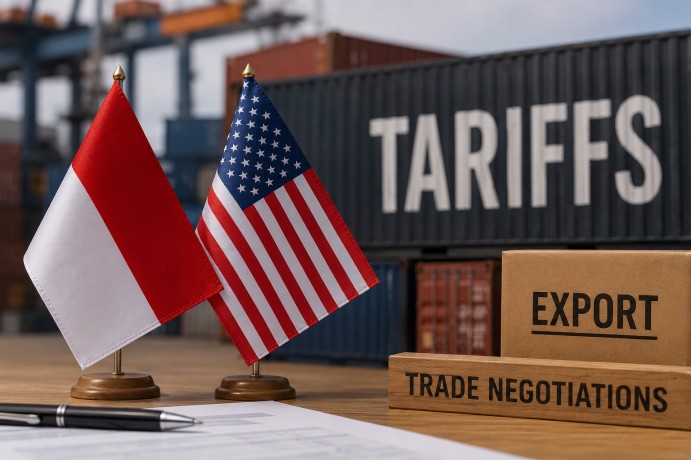
Indonesia is currently in discussions with the United States to confirm that tariff exemptions on its key exports will remain intact, following the implementation of a new 10% U.S. tariff. The recent tariffs were introduced due to concerns over forced labor enforcement, and Indonesia is among the countries subjected to this lower levy. Indonesian authorities have emphasized their ongoing dialogue with U.S. trade officials, expressing optimism that existing agreements will preserve the duty-free status for vital exports such as crude palm oil, cocoa, coffee, and natural rubber.
In addition to seeking clarity on the tariff exemptions, Indonesia is also closely monitoring the results of a separate U.S. investigation into structural excess capacity. This investigation could lead to further trade actions that may impact Indonesia’s exports. The Indonesian government has pledged to continue negotiations to ensure that its products benefit from competitive tariff rates, aiming to safeguard its trade interests in the face of these developments.
Despite the introduction of the new U.S. tariffs, there is a silver lining for some Indonesian exports. The policy provides preferential treatment for certain textile products that incorporate U.S. cotton and other American materials. This aspect of the policy could present opportunities for specific sectors within Indonesia’s export economy, potentially offsetting some of the impacts of the new tariffs.
The economic relationship between Indonesia and the United States remains significant, as illustrated by bilateral trade figures. During the first five months of 2026, trade between the two nations amounted to $18.4 billion, with Indonesia enjoying a trade surplus of approximately $7 billion. As negotiations continue, Indonesia is focused on maintaining this positive trade balance and ensuring that its exporters remain competitive in the U.S. market.