
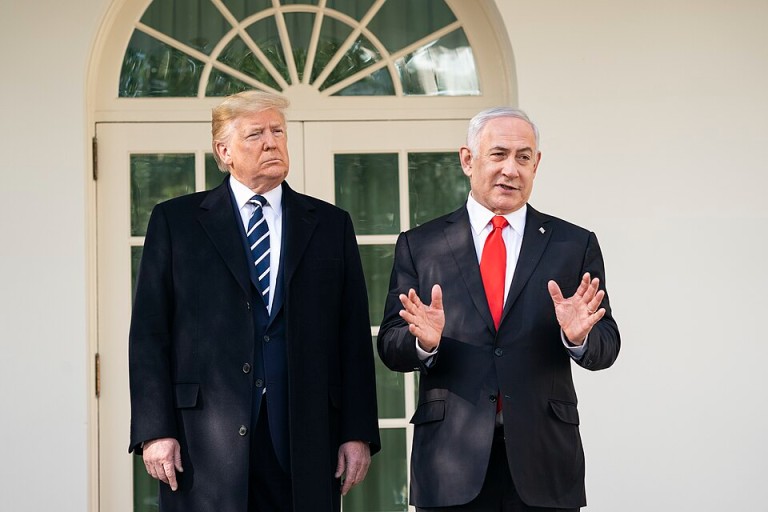
In a surprising turn amid delicate diplomatic negotiations, US President Donald Trump has openly criticized Israeli Prime Minister Benjamin Netanyahu, describing him as “a very difficult guy.” This critique comes at a time when the United States is on the brink of finalizing a peace agreement with Iran, aimed at resolving over three months of tense conflict in West Asia. Trump’s frustration arises from Israel’s persistent military actions in Lebanon, which he claims have complicated efforts to establish a ceasefire and secure a comprehensive peace framework with Tehran.
Recent Israeli military strikes on Beirut have been particularly contentious, with Trump asserting that these actions have delayed the announcement of the US-Iran agreement and heightened tensions amidst sensitive negotiations. Despite these challenges, Trump reaffirmed the crucial role of American support for Israel, emphasizing ongoing security threats in the region. The conflict, which has spilled over into Lebanon, escalated when Hezbollah joined the fray in solidarity with Iran, leading to prolonged clashes between Israeli forces and the Iran-backed group. The resultant violence has caused significant civilian displacement and sparked fears of broader regional instability.
While progress has been made in discussions between Washington and Tehran, uncertainties linger regarding Lebanon’s potential involvement in the peace deal. Mediators have hinted that Lebanon-related issues might be addressed in future talks, yet Israel maintains its stance on reserving the right to take independent security measures. The developing agreement between the United States and Iran involves halting military operations, reopening the critical Strait of Hormuz, and lifting restrictions on maritime traffic in the area. The formal signing of this agreement is anticipated to occur in Switzerland later this week.
Following the signing, a 60-day period of negotiations is expected to commence, focusing on unresolved matters such as Iran’s nuclear ambitions and broader regional security dynamics. This proposed deal is under intense scrutiny by global markets, as the reopening of the Strait of Hormuz is projected to stabilize energy supplies and alleviate the pressure on international oil prices, which have suffered disruptions for months.